Commercial cleaning and food hygiene professionals in Brampton assist food establishments, food centers, bakeries, warehouses, and food service operations maintaining standards. They sanitize regularly touched surfaces, food contact areas, equipment, floors, drains, restrooms, and food handling spaces using certified products, maintaining proper ratios, and documenting contact times. You require scheduled cleaning based on risk, food throughput, food allergies, and regulatory assessments, along with documented proof backing Hazard Analysis Critical Control Points, quality reviews, and public health compliance. The sections below explains what strong sanitation programs should include.
Essential Summary
- Brampton's sanitation specialists maintain restaurants, grocery departments, commissaries, warehouses, bakeries, schools, mobile vendors, and allergen-sensitive operations.
- Sectional methods disinfect frequently contacted areas, food-contact equipment, kitchens, floors, drains, restrooms, and storage areas for avoiding cross-contamination.
- Checking of proper chemical concentration, alignment, and exposure duration is performed by qualified specialists, with conclusion filed using checks, assessments, and correction logs.
- Regular, regular, and annual activities assigned by section comprise hygiene plans founded on threat, production volume, switches, incidents, and regulations.
- Protection, color-categorized tools, HACCP, public-health expertise, WHMIS education, references, and audit-ready hygiene paperwork are essential vendor qualifications.
Brampton Operations That Need Food Safety Cleaning: Which Ones?
Food safety cleaning is necessary for any Brampton facility that handles, maintains, prepares, packages, or offers food. Apply it to your operation if it is subject to public health inspection, food premises regulations, or internal HACCP-based controls. This includes eateries, cafes, warehouses, supermarket areas, meat markets, fish stands, convenience outlets, and institutional food areas.
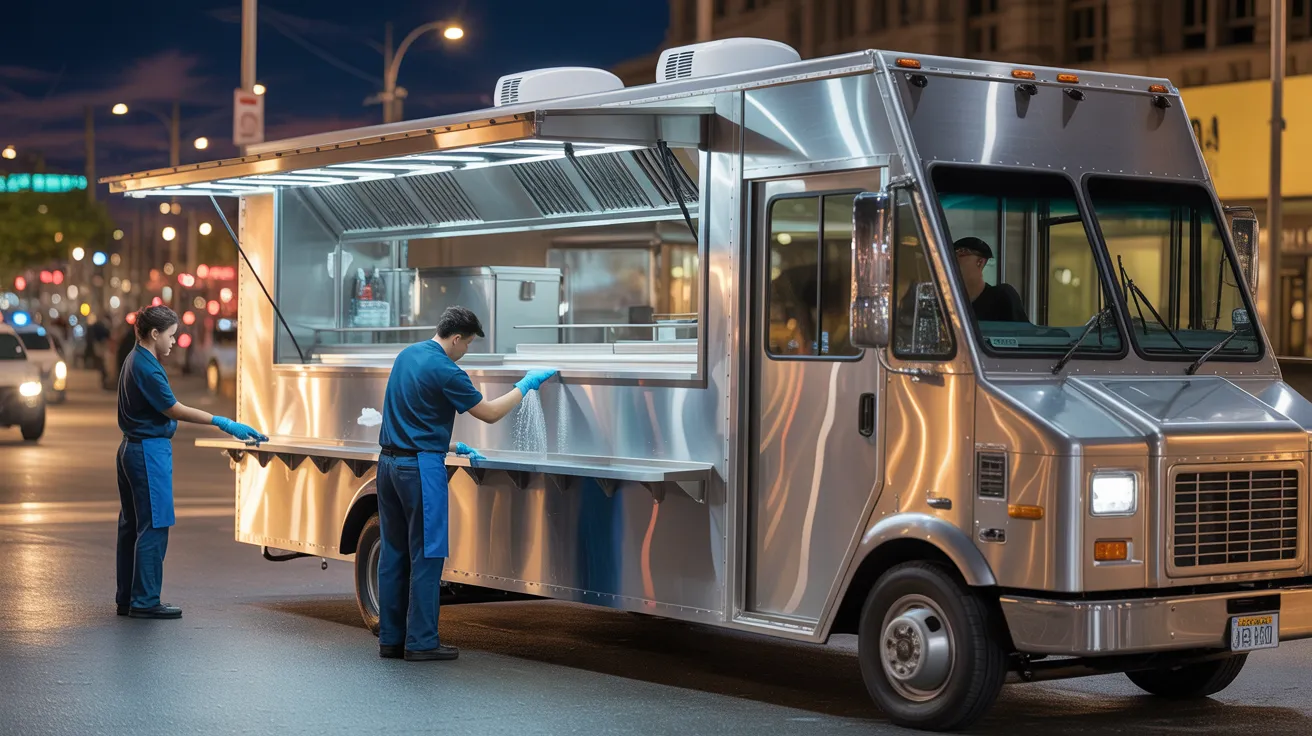
You'll also need compliant food safety cleaning in supply facilities, manufacturing operations, cold storage warehouses, bakeries, school food programs, reception halls, and delivery services. Portable business models matter as well, such as catering trucks, festival vendors, and pop-up food booths. Should your workers process ingredients, portion ready-to-eat items, reheat products, or store allergens, your venue requires established hygiene documentation. In Brampton, cleanliness is necessary; it forms legal, operational, and consumer protection compliance.
Which Areas Do Brampton Cleaning Experts Cover?
Your facility requires professional cleaners who disinfect frequently contacted surfaces, kitchens, all floor types, and restrooms to maintain food safety compliance and public health standards. These zones receive attention due to their elevated cross-contamination potential, trip and slip dangers, and breaches of sanitation codes.
Understanding their cleaning procedures allows you to confirm your facility's cleaning meets operational demands and regulatory compliance.
High-Touch Surface Sanitizing
implement a cleaning frequency
Maintaining a one-way process, swapping towels, and keeping cleaning tools by zone ensures that your sanitation remains measurable, documented, and ready for inspection consistently
Food Prep Areas, Flooring, and Sanitary Facilities
Brampton cleaning services focus on kitchens, floors, and restrooms as each zone involves distinct sanitation, accident, and wellness risks. In industrial kitchens, you need grease removal from cooking stations, appliance surfaces, drain systems, preparation areas, and backsplashes to minimize contamination and pest pressure.
Floor care that is recorded should equally be anticipated. Technicians scrub and extract buildup from grout, tile, and vinyl flooring, then apply suitable dehydration methods so you can limit falls and maintain code-compliant conditions. They also address entry points where dampness and dirt enter the building.
Restroom cleaning requires decontaminating touchpoints, fixtures, partitions, dispensers, and waste containers, replacing items and managing smells. They also maintain restaurant cleaning supply rooms where product storage, sink cleanliness, and drain systems impact daily sanitation standards and worker protection.
Food Safety Cleaning Significance for Brampton Businesses
Brampton businesses need to implement food-safe cleaning standards for satisfying legal standards and obtaining approval. You also reduce bacterial spread through proper cleaning of food-preparation surfaces, appliances, and frequently-touched items. Most importantly, you help protect community wellness by reducing the chance of food poisoning in your establishment.
Food Safety Regulations
Because Brampton food businesses operate under strict public health standards, food safety cleaning directly influences your ability to meet health code requirements, safeguard customers, and prevent enforcement action. You must maintain clean food preparation areas, verifiable cleaning logs, safe chemical management, and auditable operational standards that align with municipal and provincial inspection expectations.
Should your cleaning standards weaken, you encounter infractions, compliance orders, brand damage, and possible interruption to service during additional reviews or enforcement actions.
Contamination Prevention
Meeting regulatory requirements also depends on your ability to prevent cross-contamination during routine food preparation and sanitation. You must keep raw items away from prepared dishes, clean work areas after each use, and keep cleaning products separate from food areas. Clear procedures reduce transfer risks and support consistent compliance during inspections.
You could implement allergen segregation to stop main allergens from reaching common areas, containers, or machinery. Apply separate boards, color-marked equipment, and strict utensil labeling so team members avoid blending products throughout cooking or delivery. Mandate handwashing after handling raw meat, seafood, eggs, or allergen-containing products. Swap cleaning rags frequently, and check sanitizer strength with test strips. When you train staff to follow these controls each shift, you develop a more sanitary, secure business that matches Brampton's safety requirements daily.
Community Health Safety
When food safety cleaning fails, you don't just risk a failed inspection—you heighten the likelihood related information of foodborne illness affecting customers, staff, and the wider Brampton community. You also undermine your responsibility in protecting public health, especially in high-traffic food premises where pathogens travel quickly through surfaces, equipment, and touchpoints.
You depend on cleaning procedures that remove soils, effectively sanitize, and verify results. This entails adhering to contact periods, deploying approved disinfectants, recording schedules, and training employees to fulfill health-unit expectations. These initiatives promote disease prevention by suppressing pathogens before affecting food surfaces or hands. In Brampton, robust sanitation protects at-risk groups, curtails outbreak likelihood, and proves your diligence. When you adhere to proper protocols, you go beyond regulations—you substantially reduce risk and advance safer food handling across the region.
In What Ways Does Cleaning Help Achieve Food Safety Compliance?
Following rigorous cleaning routines bolsters food safety compliance by lowering contamination exposure, limiting pathogen development, and positioning your facility in accordance with sanitation requirements under HACCP-based programs and public health regulations. You verify that product-contact areas remain visibly clean and microbiologically controlled, supporting documented preventive controls and inspection readiness.
Cleaning programs additionally upgrade allergen mitigation by removing residues that can trigger undeclared allergen exposure.
How Should You Schedule Commercial Cleaning Services?
spill incidents, and following-maintenance work
daily routines
Finding Quality Brampton Cleaning Experts: A Guide
Start by screening providers against food sanitation standards, not cost only. You should verify that each company understands CFIA, public health, and HACCP-aligned expectations relevant to your facility. Ask for proof of insurance, WHMIS compliance, documented staff training, and supervision practices. Review whether technicians understand cross-contamination risks, chemical handling, and traceable sanitation records.
You should also assess operational reliability and accountability. Request references from Brampton food businesses, then examine turnaround periods, corrective-action procedures, and communication standards. Confirm the company participates in supplier audits and can present inspection-ready documentation when regulators or third parties request evidence. Check whether equipment is maintained is performed, colour-coded tools are used appropriately, and facility-specific risks are recognized. A qualified provider protects compliance, product quality, and your brand reputation.
Which elements are contained in a hygiene cleaning program?
Document a plan that outlines every sanitation activity, guideline, and role before starting production. You should include cleaning schedules, approved products, ratios, contact periods, tools, and validation approaches for each area, surface, and device. Ensure you include pre-operational inspections, corrective actions, and employee training requirements.
Your framework should also cover cross-contamination controls, waste handling, pest-prevention measures, and documented schedules for restrooms, drains, floors, and food-contact areas. Specify how you'll separate raw and ready-to-eat processes, support ingredient tracking, and maintain accurate allergen labeling through validated cleaning between product changes. You should establish accountability, maintain signed records, and check results against regulatory standards, HACCP controls, and customer requirements. When gaps appear, adjust procedures immediately and re-educate staff.
Frequently Asked Questions
Can cleaning services accommodate nighttime operations in Brampton facilities?
Yes, you can arrange sanitation coverage to accommodate overnight shifts in Brampton facilities. You'll coordinate overnight sanitation around operational schedules, security measures, and personnel needs. Providers typically map overnight procedures to reduce disruption, ensure adherence, and record finished work. You should confirm response times, supervision, access protocols, and waste handling before service begins.
Will Brampton cleaning experts address hazardous incidents?
Yes, you can expect many Brampton sanitation professionals to offer emergency spill response services. They manage hazardous materials, evaluate dangers, contain contamination, and begin swift cleanup to minimize risk and business interruption. You should verify arrival timeframes, professional credentials, safety procedures, and waste management. If your facility must comply with industry standards, select a service that documents incidents, follows compliant sanitation standards, and enables compliance verification.
Are environmentally safe disinfectants suitable for surfaces contacting food?
In essence, natural disinfectants remain safe for surfaces contacting food provided you source items marked food-safe that adhere to compliance requirements. Validate exposure duration, dilution ratios, and rinse protocols before use. Plant-derived products decrease chemical burden, although you require demonstration of efficacy against specific pathogens. To keep residue free surfaces, adhere to manufacturer directions precisely and verify the disinfecting agent meets applicable food industry sanitation standards.
Can cleaning plans be customized for seasonal shifts?
Certainly, sanitation programs adapt to seasonal shifts successfully. Adjust timing, staff levels, cleaning agents, and verification steps to correspond with seasonal patterns while preserving regulatory compliance. Lower equipment downtime by timing sanitization amid equipment transitions, peak volumes, and operational patterns. Further update procedural documents, staff education, and environmental monitoring to reflect temporary risks, new allergens, or higher contamination levels. Scheduled reviews ensure your strategy current.
Will commercial cleaners teach your staff on hygiene best practices?
Certainly, professional cleaning experts coach your staff on sanitation best practices. You secure employee development on correct chemical practices, processing times, contamination control, equipment disassembly, and documentation. They typically align coaching with HACCP, GMP, and CFIA or regional health bodies standards. Many also run health assessments to check standards, uncover shortcomings, and reinforce corrective actions. This helps you copyright standard processes, satisfy audits, and minimize foodborne pathogen risks every day.
Summary
Through working with Brampton commercial cleaning and food safety specialists, you accomplish much beyond organizing—you ensure your facility for audits and your procedures stay aligned with regulations. From kitchen spaces to processing areas, all maintained surfaces and kept corners reduce contamination risks and prevent significant costs. Through booking service on suitable timelines and sticking to a solid cleaning plan, you safeguard your team, clients, and your good name. Within strict regulatory frameworks, proper sanitation cannot be considered optional—they represent good business practice.